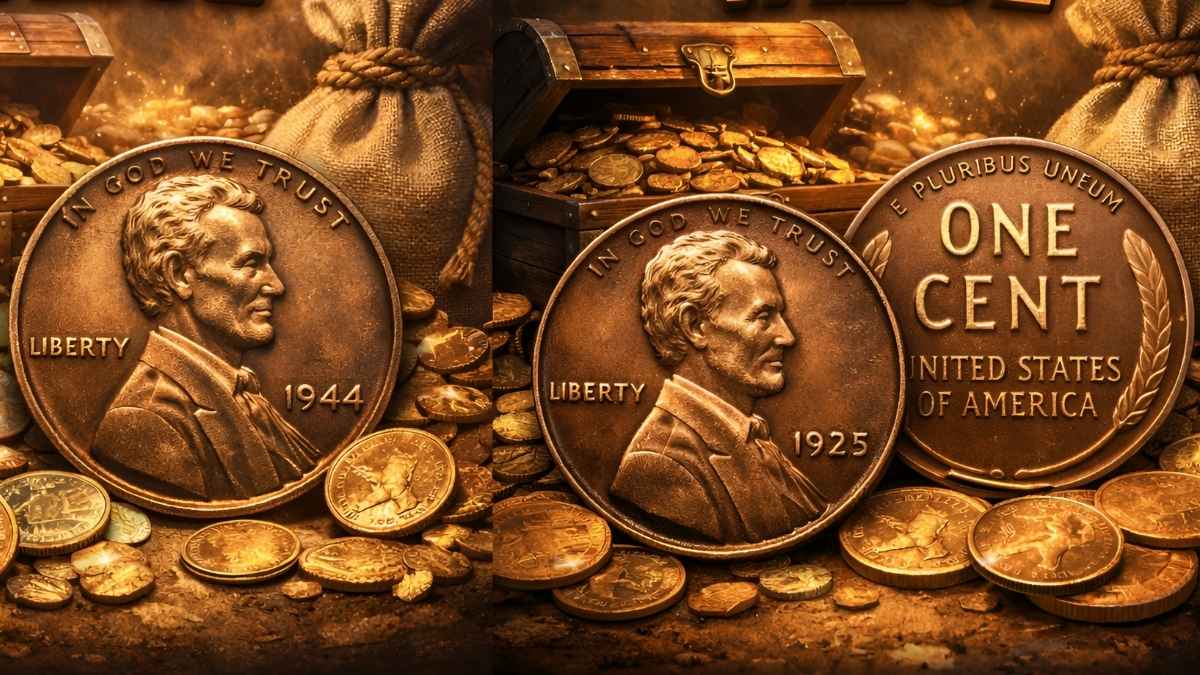
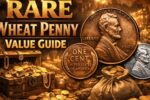
Lincoln Wheat Penny Value 2026: The Lincoln Wheat Penny, first minted in 1909, is one of the most iconic coins in American numismatics. Designed by Victor David Brenner, it features Abraham Lincoln on the obverse and two wheat stalks on the reverse. Produced until 1958, this coin has become a favorite among collectors due to its historical significance, artistic design, and the challenge of finding rare dates and mint marks. In 2026, the Lincoln Wheat Penny continues to attract attention, with some examples reaching extraordinary values.
Why Wheat Pennies Are Valuable
The value of a Lincoln Wheat Penny depends on several factors. Rarity is the most important, as certain dates and mint marks were produced in limited numbers. Condition also plays a major role, with coins in Mint State or Proof condition commanding high prices. Historical context adds another layer of appeal, since these coins circulated during pivotal moments such as the Great Depression and World War II. Together, these factors make Wheat Pennies both collectible and valuable.
The $6.1 Million Lincoln Wheat Penny
One of the most remarkable sales in coin collecting history involved a rare Lincoln Wheat Penny that sold for $6.1 million. This coin was a 1943 copper penny, mistakenly struck when most pennies that year were made of steel due to wartime metal shortages. Only a handful of copper examples are known to exist, and their rarity has made them legendary among collectors. In pristine condition, the 1943 copper penny represents the pinnacle of Wheat Penny collecting.
Key Dates to Watch
Collectors often focus on specific years and mint marks that are known to be scarce. Some of the most important include:
- 1909‑S VDB, the first year of issue and a true rarity.
- 1914‑D, one of the most sought after early dates.
- 1922 No D, a fascinating error coin.
- 1931‑S, produced in very low numbers.
- 1943 copper penny, the ultimate rarity.
These coins are considered essential for serious collectors and often determine the overall value of a collection.
Understanding Mint Marks
Lincoln Wheat Pennies were produced at several mints, including Philadelphia, Denver, and San Francisco. Mint marks can be found below the date on the obverse. Coins without a mint mark were struck in Philadelphia. Collectors pay close attention to mint marks, as they can dramatically affect rarity and value. For example, the 1909‑S VDB is far more valuable than the 1909‑P or 1909‑D.
Grading and Condition
Grading is the process of evaluating a coin’s condition. Wheat Pennies are graded on a scale from Poor (P‑1) to Mint State (MS‑70). Coins with sharp details, minimal wear, and original luster are highly prized. Red coloration is especially important, as copper coins often tone to brown over time. Coins designated as Red (RD) can sell for multiples of the price of similar coins graded Brown (BN) or Red Brown (RB).
Collecting Strategies
For new collectors, starting with common dates in circulated condition is a practical approach. These coins are affordable and provide a foundation for learning about the series. As experience grows, collectors can pursue rarer dates and higher grades. Building a complete set from 1909 to 1958 is a rewarding challenge, though acquiring the 1909‑S VDB or the 1943 copper penny may be beyond the reach of most. Many collectors choose to focus on subsets, such as collecting by decade or by mint.
Easy Tips for Beginners
Collecting Wheat Pennies does not have to be intimidating. Here are some simple tips:
- Begin with circulated coins from the 1940s and 1950s, which are inexpensive.
- Learn to identify mint marks and key dates.
- Use a magnifying glass to check details and authenticity.
- Store coins in protective holders to prevent damage.
- Read numismatic guides and join coin clubs to gain knowledge.
These steps help beginners build confidence and enjoy the hobby without overspending.
Market Trends in 2026
The coin market in 2026 shows continued interest in classic American series. Lincoln Wheat Pennies remain popular due to their beauty and historical significance. Prices for common dates are stable, while rare coins continue to appreciate. Auction houses report strong demand for high‑grade examples, especially those with Red coloration. The $6.1 million sale of a 1943 copper penny has reinforced the perception of Wheat Pennies as valuable investments.
Historical Significance
Beyond their monetary value, Wheat Pennies represent a period of American history marked by resilience and change. The design, featuring Lincoln, was the first time a U.S. coin depicted a real person. The reverse, with wheat stalks, symbolized prosperity and agriculture. Collectors appreciate these coins not only as artifacts of commerce but also as works of art that embody national ideals.
Challenges in Collecting
While collecting Wheat Pennies is rewarding, it also presents challenges. Counterfeits exist, particularly of rare dates like the 1909‑S VDB and the 1943 copper penny. Collectors must learn to authenticate coins or rely on professional grading services. Prices for key dates can be prohibitive, making it difficult to complete a set. Patience and careful research are essential for success in this hobby.
The Joy of Coin Collecting
For many, the true value of Wheat Pennies lies not in their price but in the joy of collecting. Each coin tells a story of history, artistry, and human effort. Holding a Wheat Penny connects the collector to a past era, offering a tangible link to the people who once used it in daily life. The pursuit of rare coins, the thrill of discovery, and the satisfaction of building a collection make numismatics a deeply fulfilling hobby.
Conclusion
The Lincoln Wheat Penny Value Guide 2026 highlights the enduring appeal of this classic coin series. With rare examples selling for over $6.1 million, key dates commanding attention, and easy collecting tips available for beginners, the Wheat Penny remains a cornerstone of American numismatics. Whether pursued for investment, historical interest, or simple enjoyment, these coins continue to inspire collectors around the world.